
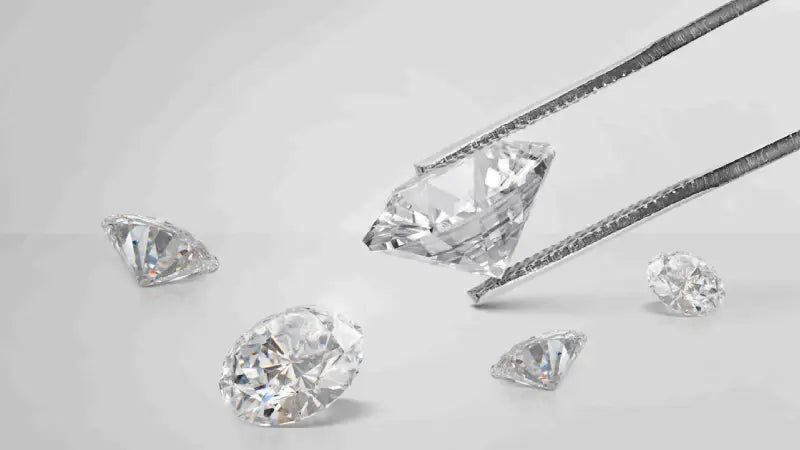
Diamonds have always been a timeless symbol of beauty, love, and prestige. For centuries, natural diamonds—formed deep within the Earth over billions of years—were the only option for those seeking that coveted sparkle. However, in recent decades, science and technology have changed the diamond industry forever. Today, lab grown diamonds, also called synthetic diamonds or man-made diamonds, offer an ethical, eco-friendly, and cost-effective alternative without compromising on beauty or quality. When purchased as loose lab grown diamonds, they open up even more customization possibilities for jewelry lovers.
What Are Lab Grown Diamonds?
Lab grown diamonds are created in controlled laboratory environments using advanced technological processes that replicate the conditions under which natural diamonds form. Two primary methods are used:
-
High Pressure High Temperature (HPHT) – Mimics the intense heat and pressure found beneath the Earth’s crust to crystallize carbon into diamond.
-
Chemical Vapor Deposition (CVD) – Uses a carbon-rich gas mixture to grow diamond crystals layer by layer.
Both methods produce diamonds with the same chemical composition, crystal structure, and physical properties as mined diamonds. In other words, lab grown diamonds are real diamonds—not simulants like cubic zirconia or moissanite.
The Advantages of Loose Lab Grown Diamonds
While lab grown diamonds are available pre-set in rings, earrings, and other jewelry, purchasing them loose offers unique benefits:
1. Full Customization
Buying a loose diamond means you can choose the exact stone that suits your style, then work with a jeweler to create a setting that complements it perfectly. This is particularly appealing for engagement rings or heirloom redesigns.
2. Better Quality Control
When buying loose stones, you can closely inspect the 4Cs—carat weight, cut, color, and clarity—before committing. Many jewelers provide detailed grading reports from reputable labs such as GIA or IGI for lab grown diamonds.
3. Greater Value for Money
Lab grown diamonds typically cost 30–50% less than mined diamonds of similar quality. Purchasing them loose often enhances savings, as you avoid paying a premium for a pre-set piece.
4. Ethical and Sustainable Choice
By eliminating mining, lab grown diamonds reduce the environmental footprint and social issues often associated with diamond extraction. This makes them a popular choice for environmentally conscious buyers.
Lab Diamonds vs. Natural Diamonds
One of the most common questions about lab grown diamonds is whether they are “real.” The answer is a clear yes—they are chemically, physically, and optically identical to mined diamonds. Here’s how they compare:
-
Appearance: To the naked eye, there is no visible difference. Even trained gemologists need advanced equipment to distinguish them.
-
Durability: Both rank 10 on the Mohs hardness scale, making them equally resistant to scratching.
-
Value: While natural diamonds have historically held resale value better, the resale market for lab grown diamonds is still developing.
-
Origin: The main distinction is the origin—mined diamonds are formed naturally, while lab diamonds are grown in a lab.
The Growing Popularity of Lab Grown Diamonds
Over the past decade, demand for lab grown diamonds has soared. Millennials and Gen Z consumers, in particular, are drawn to them for their ethical sourcing, lower price point, and innovative appeal. Even luxury jewelry brands are incorporating lab grown diamonds into their collections, signaling a shift in industry acceptance.
Major factors fueling this growth include:
-
Rising awareness of the environmental impact of diamond mining.
-
Advances in technology that produce higher quality lab diamonds.
-
Transparent marketing that educates consumers about the equivalence of lab and natural diamonds.
Choosing the Right Loose Lab Grown Diamond
If you’re considering a loose lab grown diamond, here are some tips to ensure you make the best choice:
-
Check the Grading Report – Always request certification from a trusted gemological laboratory.
-
Understand the 4Cs – Decide which factors matter most to you. For example, some buyers prioritize carat size over color, while others prefer flawless clarity.
-
Compare Prices – Lab grown diamonds are competitively priced, but costs still vary by brand and seller.
-
Work with a Reputable Jeweler – Ensure the jeweler is experienced with lab grown stones and can help you design your perfect piece.
The Future of Loose Lab Grown Diamonds
As production methods become more efficient and consumer interest grows, lab grown diamonds are expected to play an even larger role in the jewelry market. Loose stones will remain a favorite among buyers who value personalized design, transparent sourcing, and modern elegance.
Some experts predict that within the next decade, lab grown diamonds may account for a significant share of engagement rings worldwide. Others envision them becoming a standard in fashion jewelry, fine watches, and even industrial applications where diamond’s hardness is essential.
Final Thoughts
Loose lab grown diamonds represent more than just a beautiful gemstone—they symbolize the fusion of science, ethics, and artistry. Whether you’re designing a one-of-a-kind engagement ring or simply seeking a brilliant, responsibly sourced diamond, lab grown options offer all the sparkle of natural stones at a fraction of the cost and with a lighter environmental impact.
In a world where conscious consumerism is becoming the norm, lab diamonds are no longer a niche alternative—they’re the future of fine jewelry. By choosing a loose lab grown diamond, you not only embrace innovation but also create a piece that’s as unique as the story it represents.


More Stories
Three Stone Rings: A Story of Love, Memory, and Meaning
Designing an Engagement Ring with Lab-Made Diamonds
Lab Diamond Wedding Bands: The Modern Choice for Lasting Love